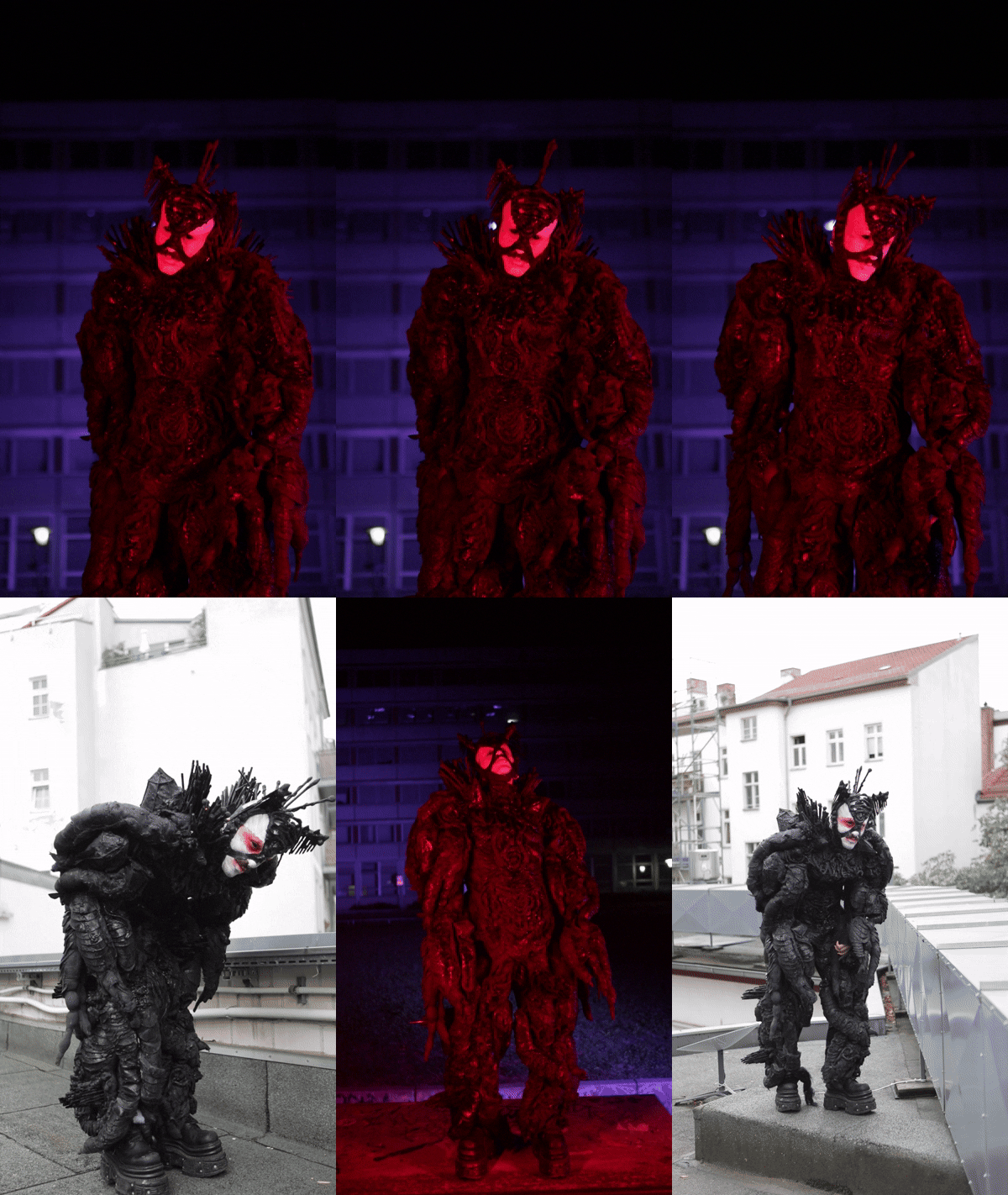
Its primary objective is to delve into the narratives of seven queer individuals, who have been compelled to migrate from the Caucasus region due to the hardship caused by their sexual orientation or gender identity.
The project seeks to establish connections between these individuals’ personal journeys and the characteristics of seven corresponding deities, creating the pantheon of pagan gender-fluid divinities from the Caucasus region.
The performances are intended to be staged mainly in the cities where the queer individuals are currently situated, depicting the migrants’ struggles as they navigate the complexities of being uprooted from their cultural contexts and endeavor to integrate into new environments.
The overarching concept of the project revolves around the exploration of forgotten queer deities, who were once integral to the cultural fabric but have since been marginalized and relegated to obscurity.
Through the intersection of performance, personal narratives, and ancient mythology, the project aims to highlight the resilience and transformation of queer migrants.
Archived materials of both the public and staged performances, captured through photography and videography, will culminate in a final exhibition.
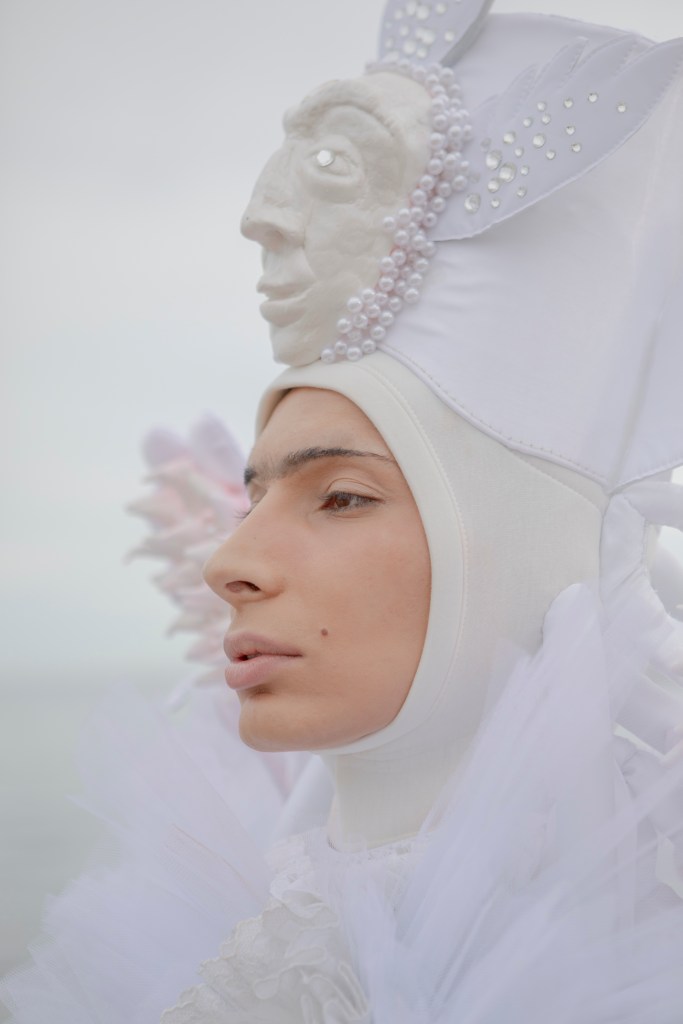
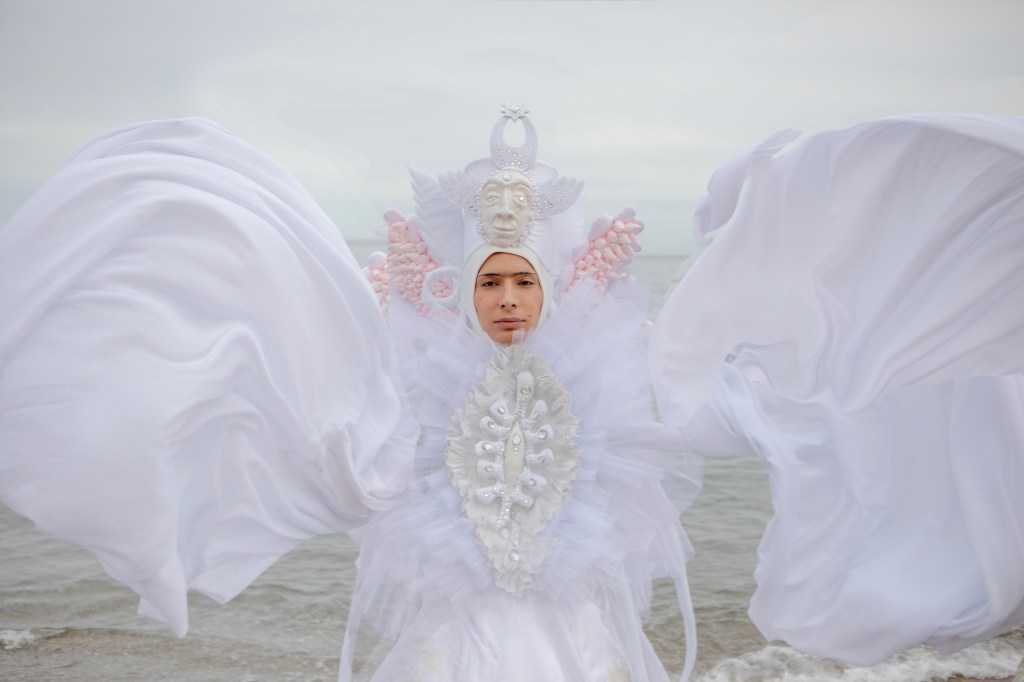
The inaugural performance of “Queer Deities in Migration” took place in Barcelona on February 17th at the iconic BMies van der Rohe Pavilion.
The event, in collaboration with cynetart and untitled.tbilisi, aimed to transcend boundaries by weaving together queer narratives, ancient deities, and contemporary struggles faced by displaced artists.
At the heart of the performance was Azerbaijani artist Pari Banu Asgar, embodying the essence of a goddess within the Pavilion’s space. Against the backdrop of Mies van der Rohe’s and Lilly Reich’s architectural masterpiece, Banu’s ritualistic performance invited attendees on a journey through personal memories, cultural heritage, and the impact of contemporary structures.
The event not only celebrated the intersectionality of queer identity but also highlighted the historical parallel of migration, echoing Mies van der Rohe’s own immigration to the United States during a tumultuous period.The performance was part of the Project Pavilion Cross-Occupancies. Six groups of creators from diverse backgrounds temporarily transformed the Pavilion’s unique space into a living entity in the contemporary cultural landscape.
Through the contributions of each particular vision, they created a microcosm that reflected broader conversations about the human experience within the natural world.
The Event has included the institutions across Europe: The Fundació Mies van der Rohe, APSS Institute, Barleti University, Tbilisi Architecture Biennial, Berlin Coopera, Pavilion of Culture Kyiv, Trans-Media-Akademie Hellerau, and Lisbon Architecture Triennial.
Pavilion Cross-Occupancies itself is a part of New Cross-National Temporality Project, which aims to strengthen architectural culture across the continent by documenting, researching, and valuing common temporary spaces, questioning notions of permanence and stability associated with the spatial dimension of architecture.The first Performance of “ Queer Deities in Migration ‘’ marked the beginning of a broader project spanning across Europe. Through the transformative power of art, it seeks to unite and empower queer individuals from south Caucasus while prompting reflection on the role of cultural memory in contemporary struggles. As the project continues to unfold in different cities, it stands as a testament to the resilience of queer migrants and the importance of embracing diversity in all its forms.Pari Banu Asgar, a visual artist, performer, designer, and poetess, delves into the complexities of gender roles through her diverse artistic practices. With an Iranian heritage and a queer identity, she dismantles societal constructs by blurring the boundaries between masculinity and femininity in her work.
===
“Queer deities” is an art initiative urging audiences to reflect on the role of cultural memory in our daily struggles. Through the intersection of performance, personal stories, and ancient mythology, the performance pieces become a living canvas, a dynamic exploration of queer migrants’ resilience and transformation.
It explores forgotten queer deities, once intimately entwined with the rich tapestry of nature, man made structures, and local folklore. Before being confined to the pages of singular religious texts, these deities were guardians of diverse cultural memories, their essence echoing through the architecture of landscapes.
The project is going to be hosted by different cities around Europe with the testament to the transformative power, uniting queer artists from the South Caucasus in exile.
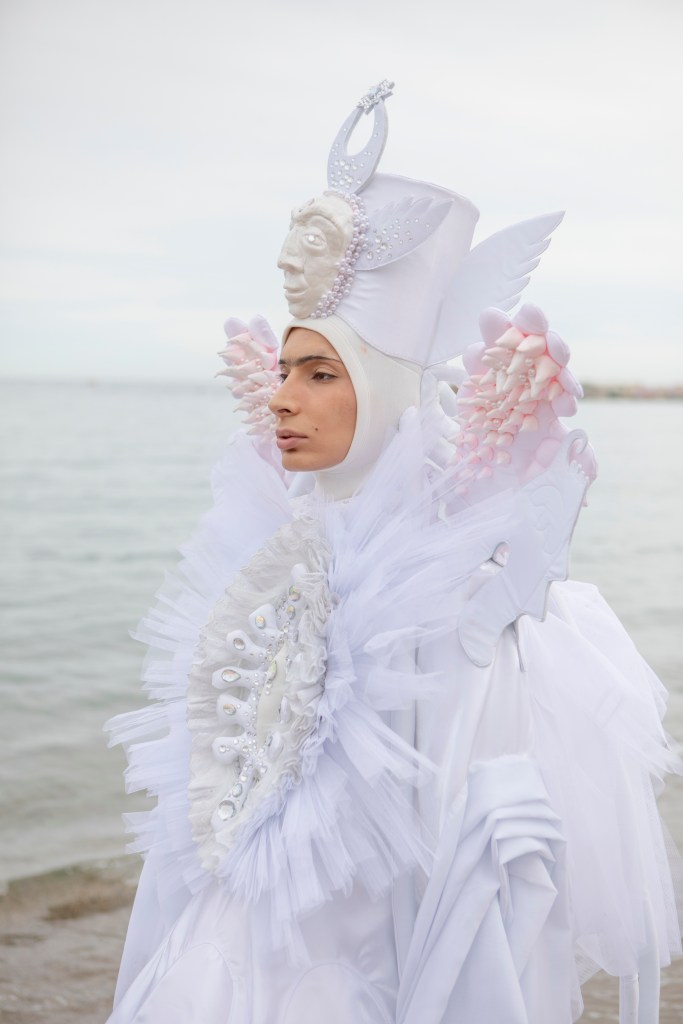

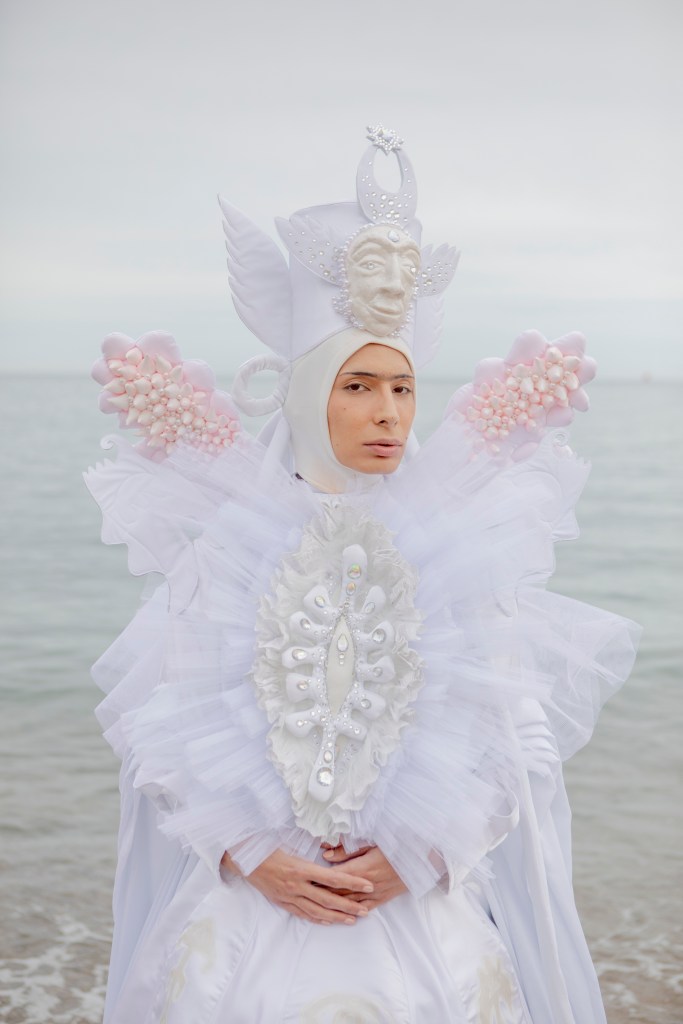
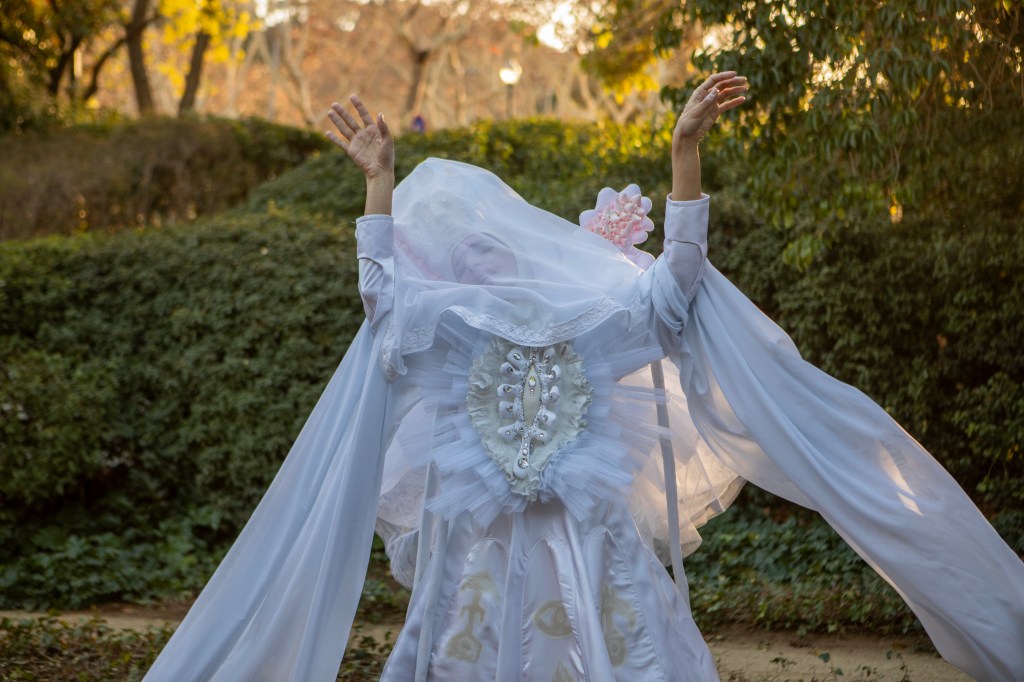




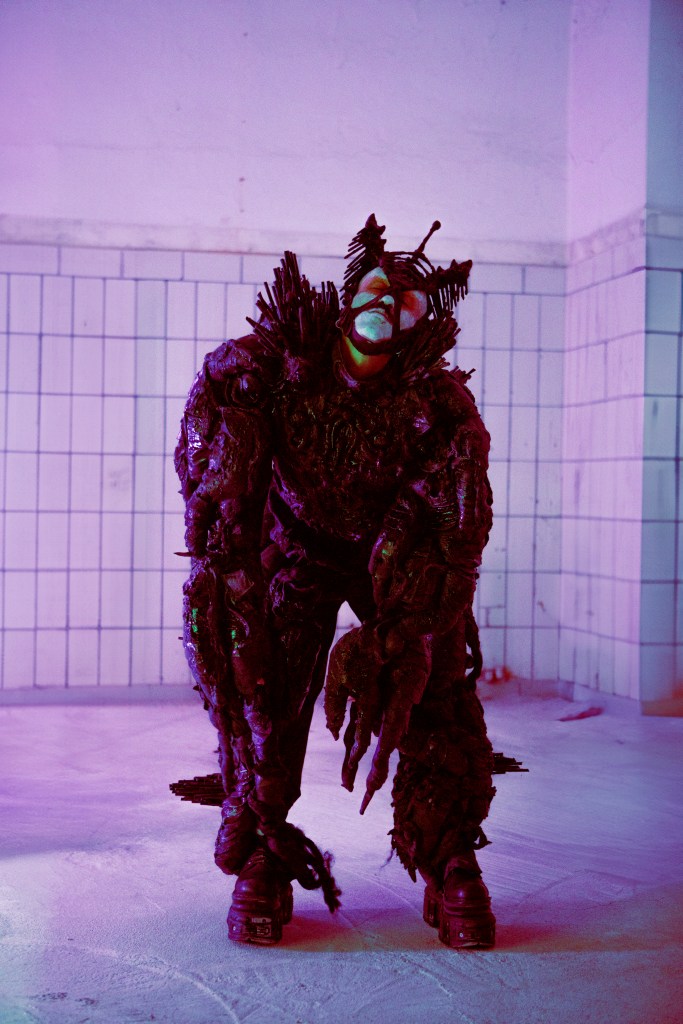
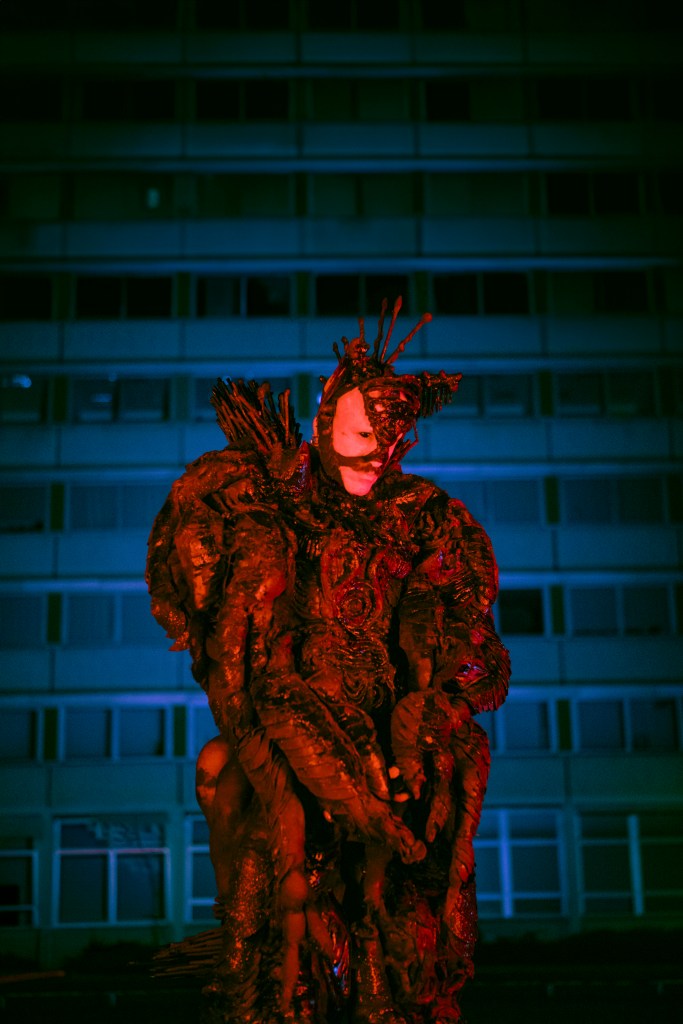
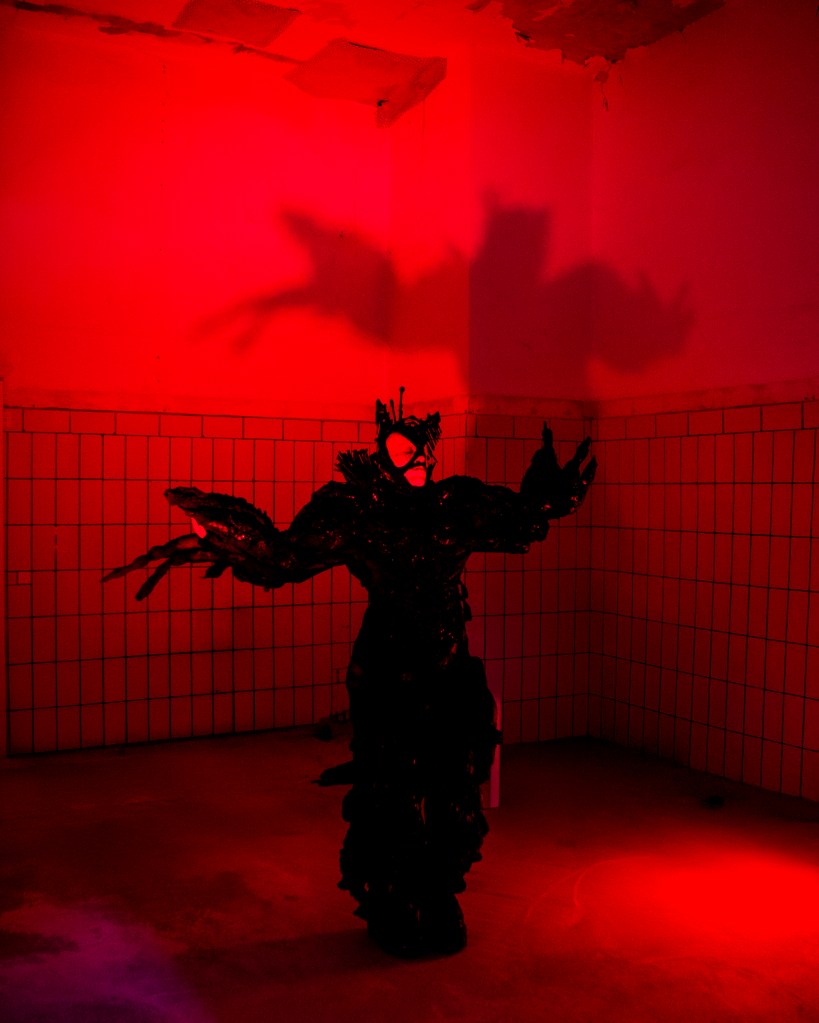
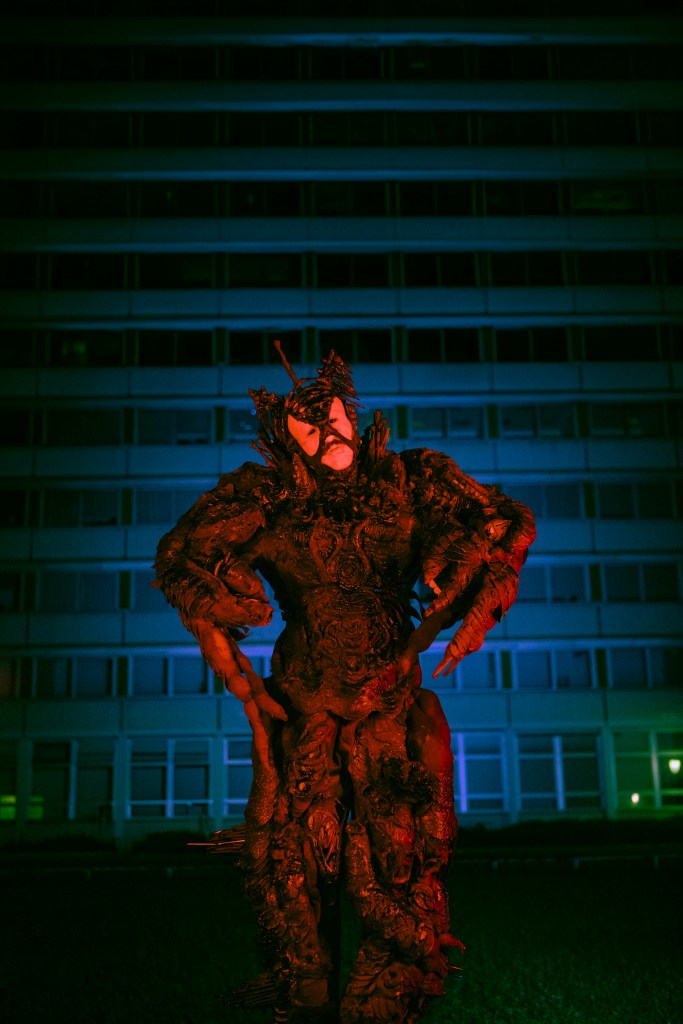
ARMAZI is a performance representing a Georgian pagan God with dual roles of the supreme (ruler of the sky, thunder, rain, and vegetation) and the warrior character.
The performance is part of the project Queer Deities in Migration led by the Georgian artist duo Uta Bekaia and Dato Koridze, alongside curator Giorgi Rodionov, in collaboration with queer artists from the Caucasus region and beyond. The project seeks to draw connections between the personal histories of South Caucasian queer artists in migration and the traits of corresponding deities.
ARMAZI performance features artist Fagatta, originally coming from Tbilisi and now based in Berlin, with the collaboration of the sound artist @asc3ea from IN THE MOUNTAINS residency program, accompanied by a space setting by Dresden based artist-duo “die Blaue Distanz”.
Concept: Uta Bekaia Dato Koridze, Giorgi Rodionov
Design, Artistic Direction: Uta Bekaia
Photography, Video, AD: Dato Koridze
Project curator: Giorgi Rodionov
Performance: Fagatta
Sound: äsc3ea feat. Fagatta
Space Setting: die Blaue Distanz (Adam Erdmann & Franzi Goralski)
Project coordinator: Sabrina Bellenzier
Photo Credit: Dato Koridze
–
Performance was made in the frame of IN THE MOUNTAINS Festival which was co-funded by the European Commission through the Creative Europe program and by the German Federal Foreign Office through the program »Strengthening Cooperation with Civil Society in the Eastern Partnership Countries«. It was in partnership with @cynetart
Performance premiered also in “lila-x-tage x Queer Deities in Migration” in Dresden




 Uta P. Bekaia